Individualised Living Options, Built Around You
Connected with a registered ILO provider who may be able to help.
- Free
- No obligation
- NDIS registered
We share your details with one provider at a time, never a list. Privacy policy
What Are Individualised Living Options?
Individualised living options (ILO) are NDIS funding for a package of support at home, designed around one person: where they live, who they live with and how they're supported. Many people live with a host or share their home with a housemate, backed by family, friends and paid supports. ILO pays for the support, not the home.
ILO is funded in two stages. First, exploration and design, usually with an ILO provider, to work out how the person wants to live. Then the ILO supports themselves, set up from a service proposal the NDIA approves.
The NDIA says ILO might suit adults who need at least 6 hours of support at home a day and are ready to design their own arrangement. Who ILO is for goes through it, and ILO vs SIL explains how it differs from 24-hour support.
How it works
Three Steps to Talking With a Provider
Tell Us About the Person
Who the ILO is for, the arrangement they're interested in, what's in the plan, where and when. About two minutes.
We Find an ILO Provider
We pass your details to one registered ILO provider who works in that area and may be able to help.
They Get in Touch
The provider contacts you to talk about exploration and design, the arrangement and what happens next.
Your details only go to the provider we match you with. If they can't help, we'll find someone who can. More about how it works
What an ILO Can Look Like
There's no set model. These are the arrangements the NDIA describes, and every ILO combines them differently.

Living With a Host
Living full time in the home of a host who isn't related to you, who gives the main support at home.

Sharing With a Housemate
Your own home or a shared rental, with a housemate who isn't related to you. Some providers call it co-residency.
Back-Up Around You
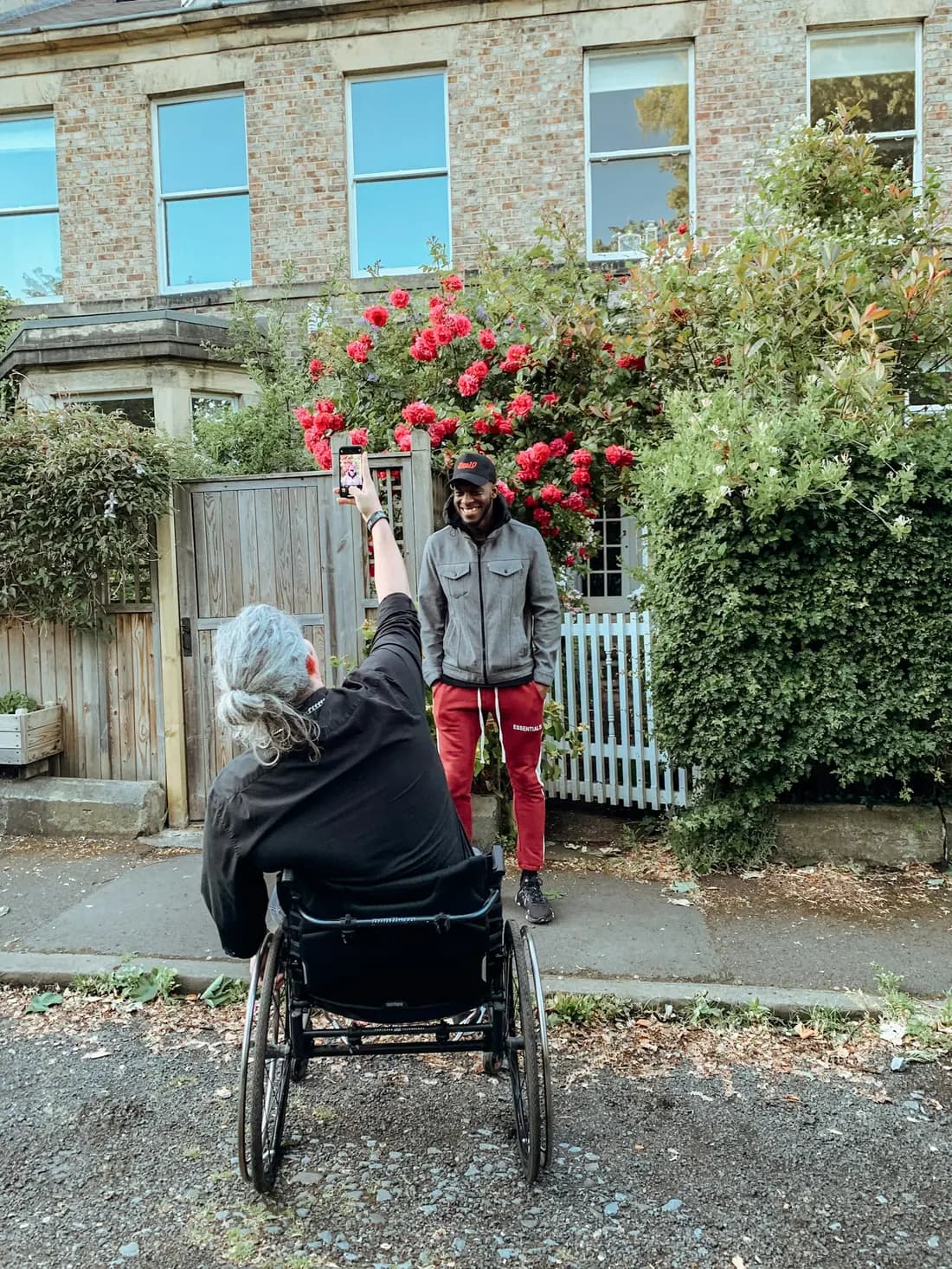
Drop-in visits, on-call help, a mentor, a good neighbour or time with family, for when you need extra.
ILO Explained
Plain-English guides, checked against the NDIA's own ILO guideline and pricing.
- What is ILO?Support built around one person, and what it covers.
- Who ILO is for6 hours of daily support, readiness, and the funding criteria.
- Exploration and designStage 1: 30 to 100 hours to work out how you want to live.
- Host arrangementsLiving full time in a host's home, and how it's supported.
- How ILO funding worksTwo stages, and support levels up to $230,000 a year.
- ILO vs SILFlexible support around you, or support workers 24 hours a day.
Built Around One Person
An ILO starts with the person, not a vacancy. Everything else is designed to fit around them.

Your Choices
Where you live, who you live with and how you're supported. The NDIA says those decisions are yours.

The People Who Know You
Family and friends can help design your ILO and stay part of it, alongside paid support.
A Place That Feels Like Home
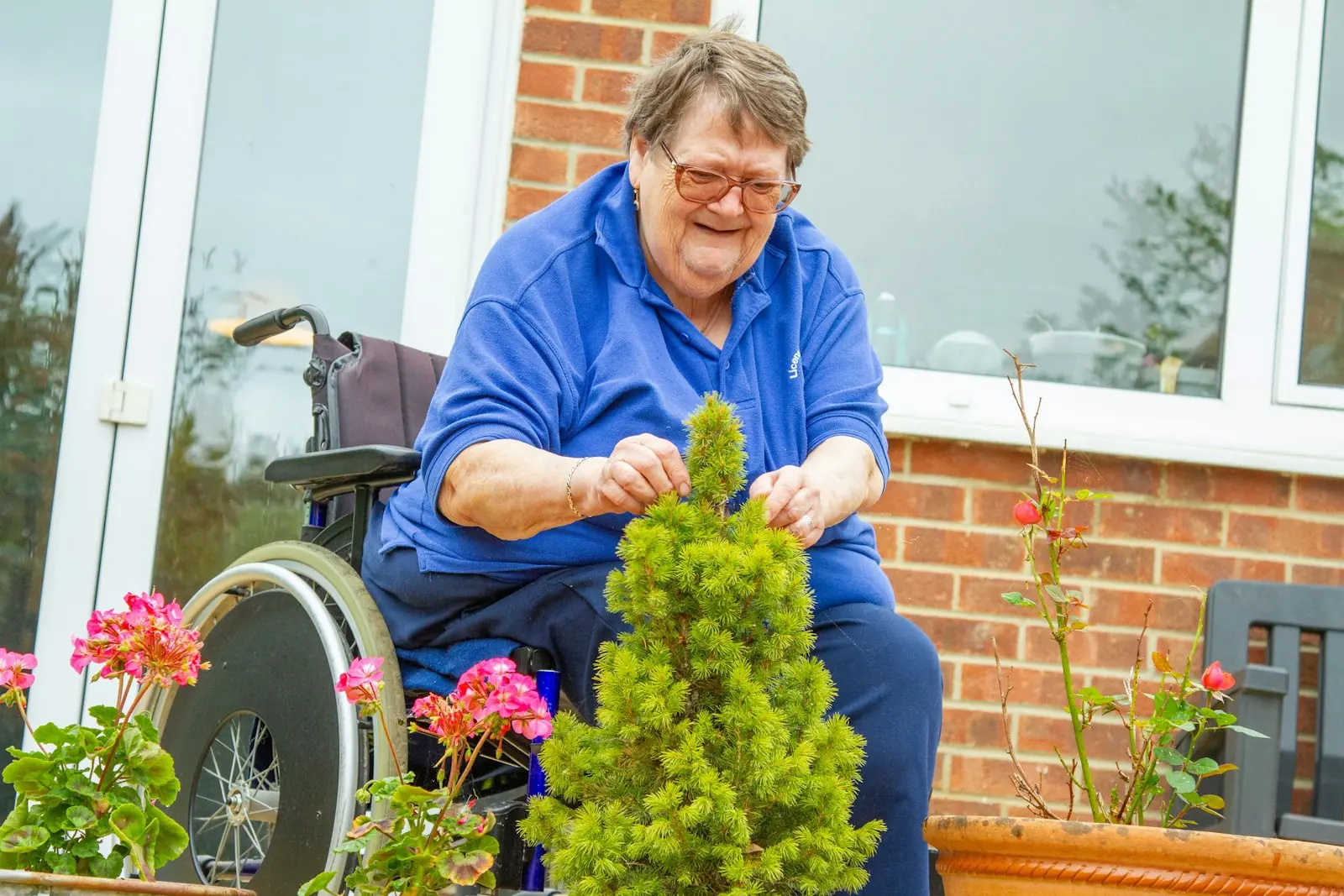
ILO is meant to give a sense of home and belonging, and to build independence over time.
For Participants and Families
ILO just added to the plan, planning a first move out of the family home, or the current arrangement isn't working? Tell us once and we'll pass it to a registered ILO provider, instead of you ringing around.
Get matchedFor Support Coordinators
Send the ILO funding stage, the arrangement of interest, daily support needs and location. We pass it to a registered ILO provider and let you know who's picking it up.
Refer a participantHow We Choose Providers
We only pass your details to providers who meet all of these.
- Registered with the NDIS Quality and Safeguards Commission
- Deliver ILO exploration and design, ILO supports, or both
- Work in the area and are taking on new participants
- Agree to contact you quickly, and we check that they did

How ILO Is Funded
Stage 1 funds 30 to 100 hours of exploration and design. Stage 2 funds the ILO package, and the NDIA's guideline sets three support levels, up to $105,000, $150,000 or $230,000 a year. ILO doesn't cover rent, food or bills, which the person pays.
More on ILO fundingQuestions People Ask
Does it cost anything to use this service?
No. It's free for you. Providers pay us when we introduce them to someone, which is how we keep it free. ILO itself is paid for from NDIS funding in the plan.
Are you the NDIS, or an ILO provider?
Neither. individualisedlivingoptions.com.au is an independent service that connects people with registered ILO providers. We're not part of the NDIA or the NDIS Quality and Safeguards Commission, and we don't deliver ILO ourselves.
Do I need ILO in my NDIS plan first?
No. Some people have exploration and design funded, some have stage 2 ILO supports, and some are still thinking about asking. Tell us where things are at and we'll pass it on to a provider who can help from there.
Do you find hosts or housemates?
No. ILO providers set up host and housemate arrangements. We connect you with a registered ILO provider, who can talk you through how they'd do it.
What if the provider can't help?
We pass your details to another registered provider, one at a time, up to three in total. Your details never go out to a group of providers at once.
I'm a support coordinator. Can I refer someone?
Yes. Use the referral form, or choose coordinator in the questions above. Please make sure the participant or their nominee has agreed to the referral first.
Ready to Talk to an ILO Provider?
It takes about two minutes, and it's free.